Brake
Repair & Suspension
Keeping you safe and in control
Brakes and suspension are fundamental to vehicle safety, affecting stopping distance, stability, and ride quality. Pro Autoworks provides comprehensive brake and suspension services in Cedar Springs, from pad and rotor replacement to caliper rebuilds, alignment coordination, and suspension component repair. Since 2011, we have made safety and performance a priority for every vehicle service.
Why brake and suspension care matters
Brakes convert kinetic energy into heat to slow and stop your vehicle; worn components or fluid issues compromise stopping distance and effectiveness. The suspension system controls tire contact, steering response, and ride comfort—worn shocks or broken components can reduce control, increase stopping distance, and accelerate tire wear.
Regular inspections and timely repairs prevent hazardous conditions and costly secondary damage.
Common brake and suspension symptoms
Squealing or grinding noises when braking
Vibrations in the steering wheel during braking (often rotor-related)
Soft or spongy brake pedal (air or fluid issues)
Pulling to one side when braking
Excessive body roll or bouncy ride (worn shocks/struts)
Uneven tire wear or rapid tire wear
Clunking noises over bumps (worn bushings or mounts)
Inspection and diagnostic process
Visual and mechanical inspection
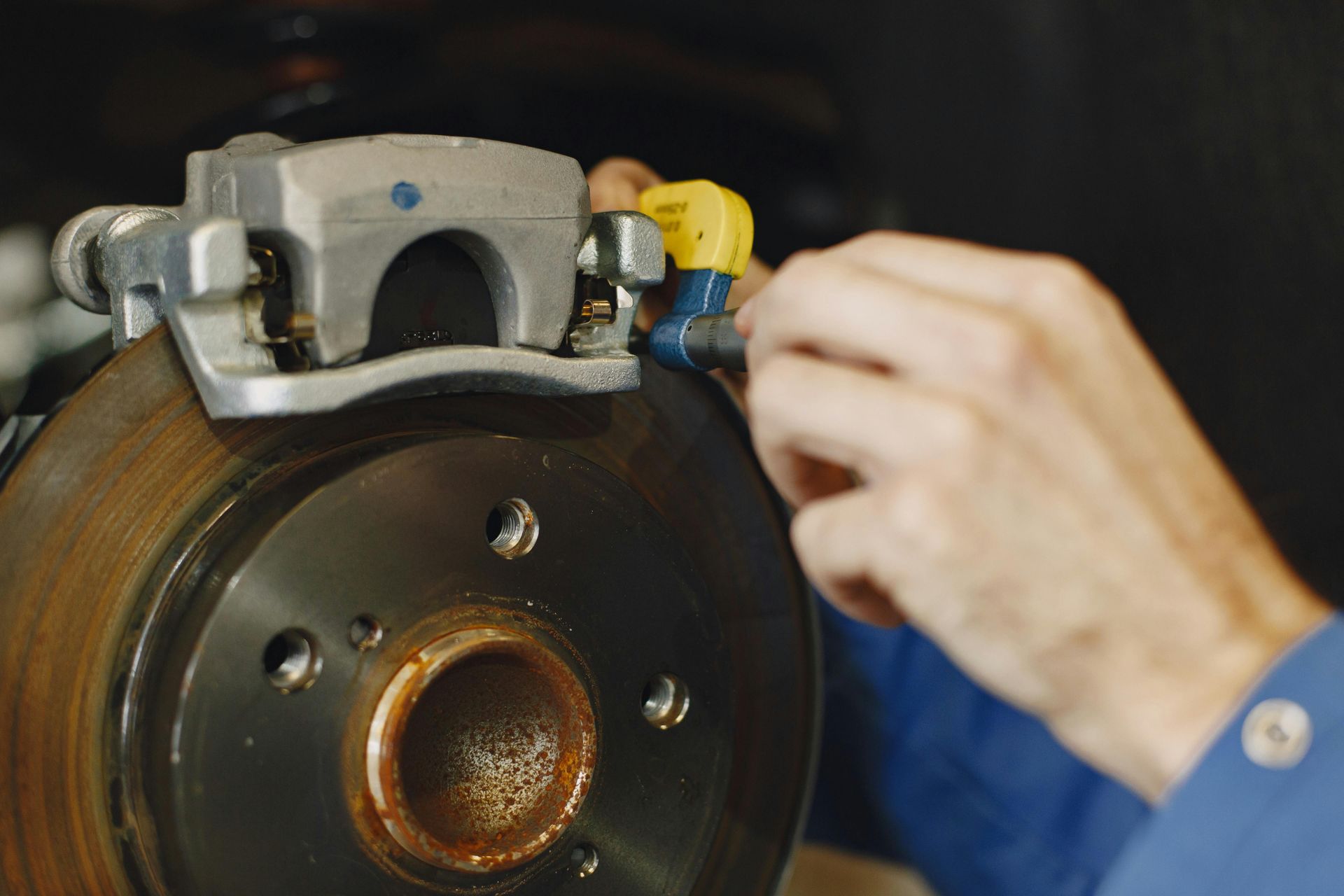
We inspect pads, rotors, fluid condition, calipers, hoses, and steering components.
Brake performance tests
Road tests to evaluate pedal feel, stopping distance, noise, and vibration.
Hydraulic checks
Brake pressure testing and line inspection to detect internal leaks or collapsing hoses.
Alignment and tire wear analysis
Checking tire wear patterns to determine underlying suspension or alignment issues.
Recommendation and estimate
Clear explanation of repair needs, part options, and pricing.
Brake services we provide
Brake pad and shoe replacement: High-quality friction materials matched to vehicle use—daily driving, towing, or performance applications.
Rotor and drum service: Resurfacing/turning where within specification, or replacement when warped or below minimum thickness.
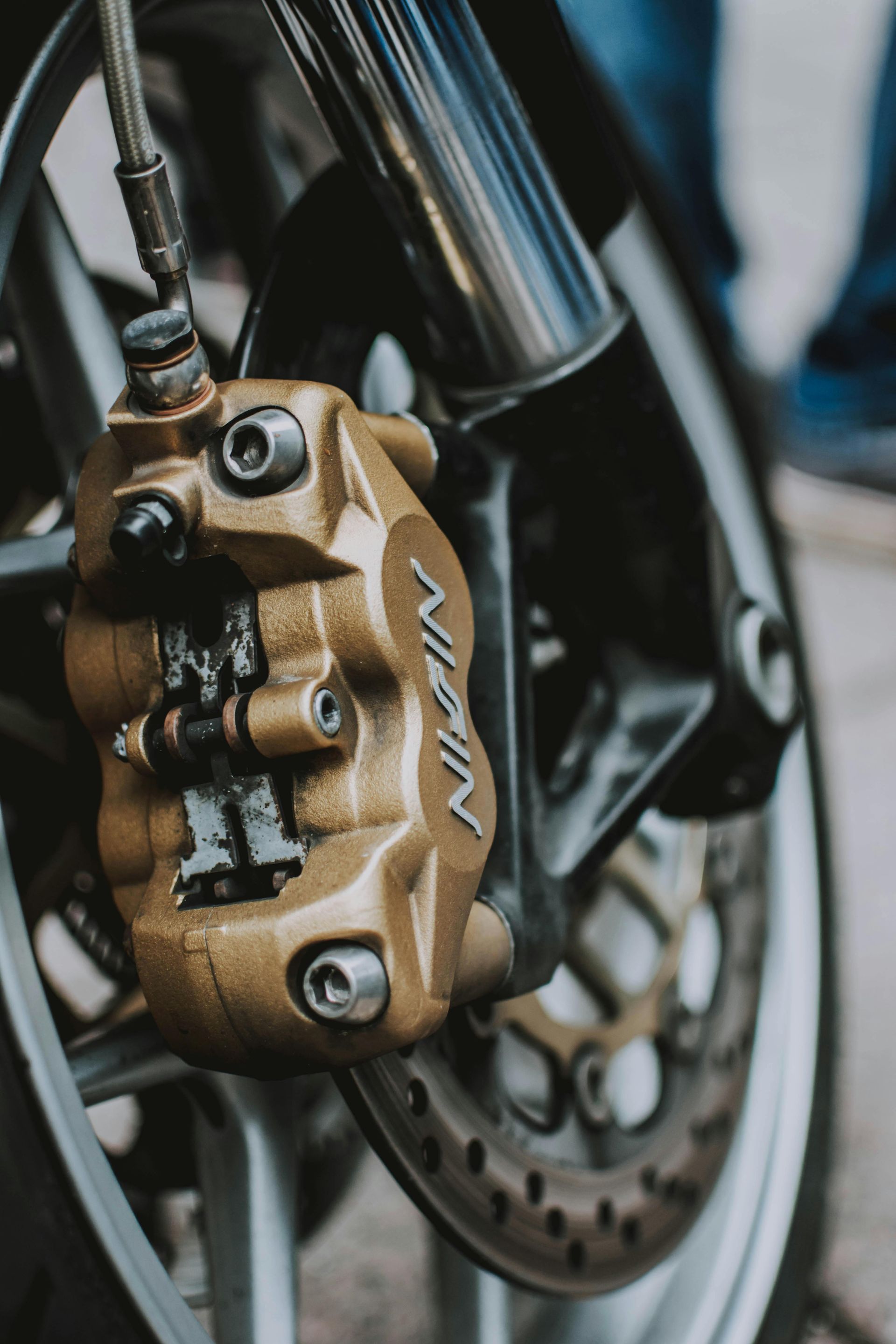
Caliper repair and rebuild: Stuck calipers cause uneven pad wear and braking issues; we rebuild or replace as necessary.
Brake fluid service and flush: Moisture in brake fluid reduces boiling point and can compromise braking under stress; we recommend periodic flushing.
ABS diagnostics and repairs: ABS sensor faults, tone ring damage, and module issues are diagnosed and repaired.
Parking brake adjustment and service: Ensuring reliable holding on inclines and safe operation.
Suspension and steering services
Shock and strut replacement: Restoring damping to maintain contact and control.
Control arm, bushing, and link replacement: Fixing play and restoring precise steering input.
Ball joints and tie rod replacement: Eliminating looseness that affects steering and tire wear.
Wheel alignment recommendations: While we perform suspension repairs, we coordinate alignment services to ensure proper tire wear and handling.
Sway bar and stabilizer link replacement: Improving handling and reducing body roll.
Lift and lowering component advisory and installation: For modified vehicles we provide guidance and service while ensuring safe geometry.
Safety and standards
Brake work requires attention to torque specifications, correct bedding-in of pads, and proper fluid handling. We follow manufacturer procedures and ensure vehicles meet safety standards after repair. For vehicles with advanced braking features (ABS, brake assist), we perform necessary module checks and calibrations.
Brake material choices and performance
We offer a range of friction materials—ceramic, semi-metallic, and organic—each with trade-offs in noise, dust, life expectancy, and braking feel. We advise customers on the best choice based on driving style and vehicle use. For towing or heavy-duty use, we typically recommend materials with higher heat tolerance.
Preventive maintenance tips
- Have pads and rotors inspected at regular intervals.
- Replace brake fluid according to manufacturer recommendations (commonly every 2–3 years, or sooner in heavy-use cases).
- Address unusual noises or pedal changes promptly.
- Keep records of brake and suspension service to spot recurring trends.
FAQs — Brakes and suspension
How long do brake pads last?
Pad life depends on driving habits, vehicle weight, and pad material. Typical life ranges from 25,000–70,000 miles. Heavy city braking or towing shortens lifespan.
Why is my steering wheel vibrating when I brake?
Usually caused by warped rotors or uneven rotor thickness. Resurfacing or rotor replacement is often required.
Should I replace shocks in pairs?
Yes—replacing shocks or struts in pairs (front or rear) maintains balanced handling and even tire wear.
What is brake fluid flush and why is it necessary?
Brake fluid absorbs moisture over time, lowering boiling point and causing corrosion. Flushing replaces contaminated fluid and restores brake system reliability.
How soon should I get a brake inspection?
If you notice noise, vibration, pedal changes, or decreased stopping power, inspect immediately. Otherwise, include brake checks in regular maintenance intervals.
Contact and scheduling
For brake or suspension concerns, call Pro Autoworks at (616) 696-8863 to schedule an inspection or repair. Visit our shop at 15670 Northland Drive, Cedar Springs, MI 49319. We will assess braking performance, provide a written estimate, explain part options, and prioritize safety-related repairs when needed.
Address: 15670 Northland Drive, Cedar Springs, MI 49319